
Contents
- 📋 Prerequisites & What You Need
- 🔧 Step 1: Define Your Niche and Format
- ⚙️ Step 2: Choose Your Equipment and Software
- 🎯 Step 3: Record and Edit Your Episodes
- ✅ Step 4: Create a Podcast Host and Distribute Your Episodes
- 🚀 Step 5: Promote and Grow Your Podcast
- ⚠️ Common Mistakes & How to Avoid Them
- 💰 Cost & Time Breakdown
- 📊 Expected Results & Metrics
- 💡 Pro Tips & Advanced Techniques
- Frequently Asked Questions
- References
- Related Topics
Overview
Starting a podcast can be a fun and rewarding experience, but it requires some planning and technical know-how. With the rise of podcasting, it's easier than ever to share your ideas and connect with a global audience. This guide will walk you through the process of creating and launching your own podcast, from defining your niche and format to recording and editing your episodes. You'll learn how to choose the right equipment, such as a good microphone like the Blue Yeti, and how to use popular podcasting platforms like Anchor and Spotify. By the end of this guide, you'll be well on your way to creating a high-quality podcast that resonates with your target audience, similar to popular podcasts like The Daily and How I Built This.
📋 Prerequisites & What You Need
Before you start your podcast, you'll need to define your niche and format. This will help you determine the tone and style of your podcast, as well as the type of content you'll be creating. Consider what topics you're passionate about and what type of podcast would resonate with your target audience. You can use online tools like Google Trends to research popular topics and trends. For example, you could create a podcast about true crime or self-improvement, similar to popular podcasts like My Favorite Murder and The Tim Ferriss Show.
🔧 Step 1: Define Your Niche and Format
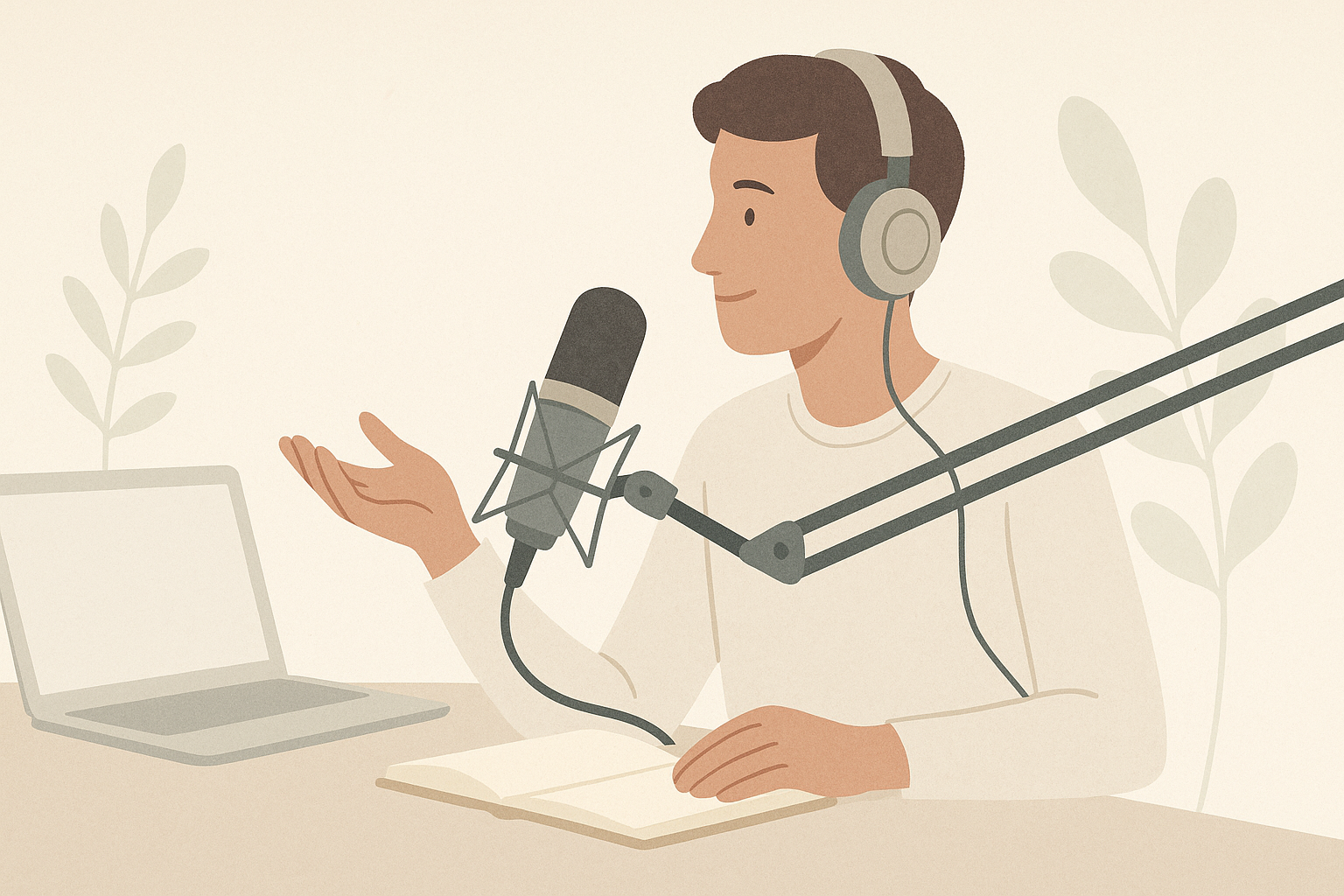
Once you have a clear idea of your niche and format, it's time to choose your equipment and software. You'll need a good quality microphone, such as the Blue Yeti or the Rode NT-USB, and a pair of headphones. You'll also need to choose a digital audio workstation (DAW) like Audacity or Adobe Audition. Consider investing in a pop filter and a boom arm to improve the sound quality of your recordings, as recommended by podcasting experts like Pat Flynn and John Lee Dumas.
⚙️ Step 2: Choose Your Equipment and Software
With your equipment and software in place, it's time to start recording and editing your episodes. Start by creating a rough outline of your episode, including an introduction, main content, and conclusion. Use a tool like Trello to organize your ideas and keep track of your progress. Record your episodes in a quiet, distraction-free space, and use a tool like Zoom to record remote interviews. Consider using a tool like Descript to edit and transcribe your episodes more efficiently, as used by popular podcasts like The GaryVee Audio Experience and HBR IdeaCast.
🎯 Step 3: Record and Edit Your Episodes
Once you've recorded and edited your episodes, it's time to create a podcast host and distribute your episodes. You can use a platform like Anchor or Buzzsprout to host your podcast and distribute it to popular platforms like Apple Podcasts and Spotify. Make sure to optimize your podcast's metadata, including the title, description, and tags, to improve its visibility in search results. Consider using a tool like Chartable to track your podcast's performance and optimize your marketing strategy, as used by popular podcasts like Stuff You Should Know and Radiolab.
✅ Step 4: Create a Podcast Host and Distribute Your Episodes
To promote and grow your podcast, you'll need to create a strong online presence. Use social media platforms like Twitter and Instagram to engage with your audience and promote your episodes. Consider collaborating with other podcasters or influencers in your niche to reach a wider audience. Use a tool like Mailchimp to create a newsletter and keep your audience up-to-date with your latest episodes, as recommended by podcasting experts like Amy Porterfield and Michael Hyatt.
🚀 Step 5: Promote and Grow Your Podcast
One common mistake new podcasters make is not investing enough time and effort into promoting their podcast. To avoid this, make sure to create a solid marketing strategy and stick to it. Use analytics tools like Google Analytics to track your podcast's performance and adjust your strategy accordingly. Consider using a tool like Libsyn to host and distribute your podcast, as used by popular podcasts like The School of Greatness with Lewis Howes and The Model Health Show.
⚠️ Common Mistakes & How to Avoid Them
The cost of starting a podcast can vary depending on the equipment and software you choose. The time commitment will depend on the frequency and length of your episodes. Consider using a tool like Canva to create visually appealing artwork and promotional materials for your podcast, as used by popular podcasts like The Happiness Lab with Dr. Lori Santos and Hidden Brain.
💰 Cost & Time Breakdown
With a well-planned and well-executed podcast, you can expect to see significant growth in your audience and engagement. Use metrics like downloads, engagement, and feedback to measure the success of your podcast and adjust your strategy accordingly. Consider using a tool like Podtrac to track your podcast's performance and optimize your marketing strategy, as used by popular podcasts like Freakonomics Radio and Planet Money.
📊 Expected Results & Metrics
To take your podcast to the next level, consider investing in advanced equipment and software, such as a high-end microphone or a professional DAW. You can also use tools like Otter.ai to edit and transcribe your episodes more efficiently. Consider hiring a professional editor or producer to help you improve the quality of your podcast, as used by popular podcasts like The Tim Ferriss Show and The GaryVee Audio Experience.
Key Facts
- Year
- 2023
- Origin
- United States
- Category
- guides
- Type
- concept
- Format
- how-to
Frequently Asked Questions
What is the best microphone for podcasting?
The best microphone for podcasting depends on your budget and personal preferences. Popular options include the Blue Yeti and the Rode NT-USB. Consider reading reviews and watching tutorials to find the best microphone for your needs, as recommended by podcasting experts like Pat Flynn and John Lee Dumas.
How do I promote my podcast?
To promote your podcast, use social media platforms like Twitter and Instagram to engage with your audience and promote your episodes. Consider collaborating with other podcasters or influencers in your niche to reach a wider audience. Use a tool like Mailchimp to create a newsletter and keep your audience up-to-date with your latest episodes, as used by popular podcasts like Stuff You Should Know and Radiolab.
What is the best podcast hosting platform?
The best podcast hosting platform depends on your specific needs and preferences. Popular options include Anchor and Buzzsprout. Consider reading reviews and comparing features to find the best platform for your podcast, as recommended by podcasting experts like Amy Porterfield and Michael Hyatt.
How do I track my podcast's performance?
You can use analytics tools like Google Analytics to track your podcast's performance and adjust your strategy accordingly. Consider using a tool like Podtrac to track your podcast's performance and optimize your marketing strategy, as used by popular podcasts like Freakonomics Radio and Planet Money.
