Iran Threatens to Target U.S. Tech Firms in Escalating Conflict
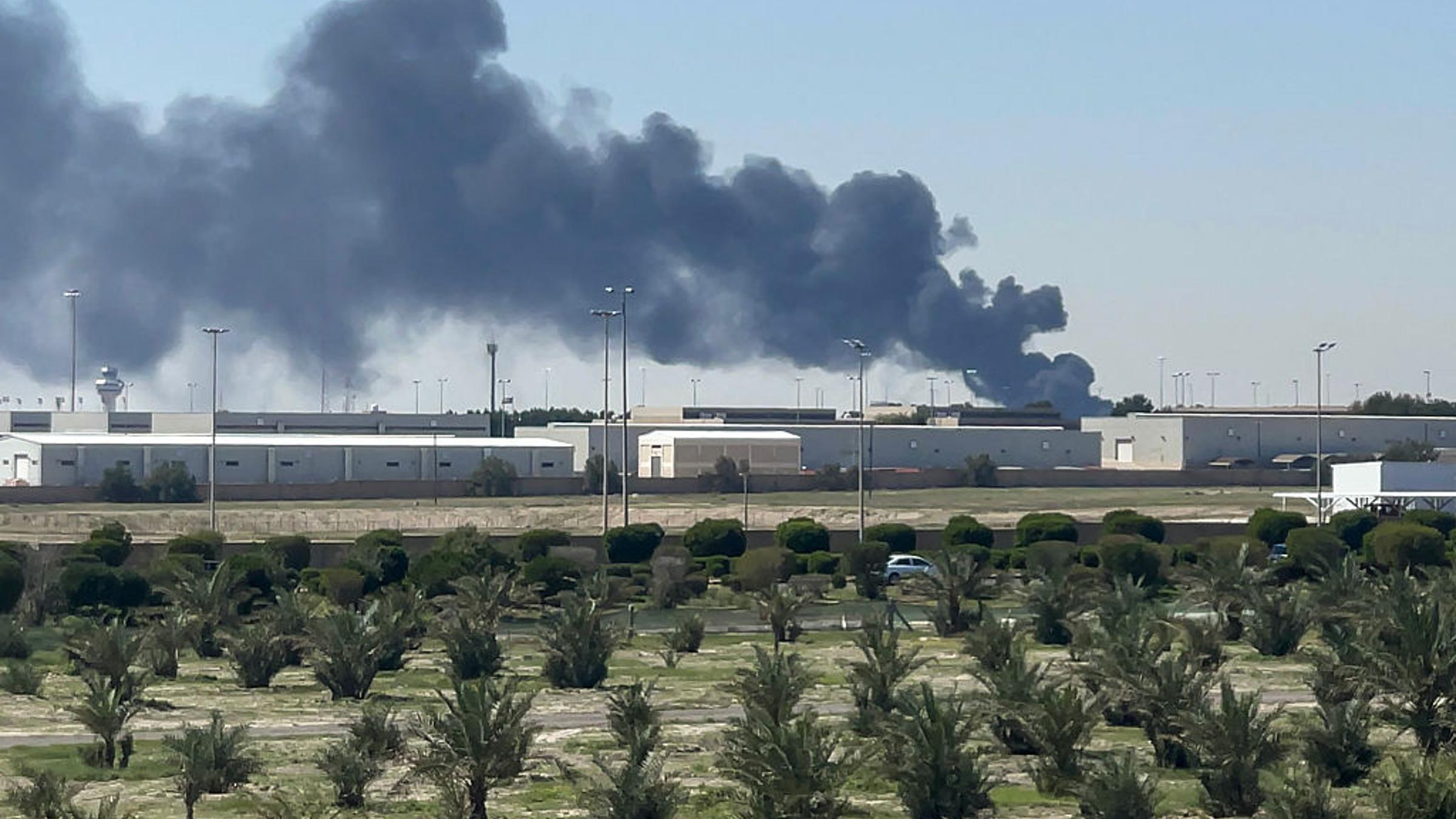
The conflict has sparked a range of reactions, with some arguing that the U.S. and Israel are justified in their actions, while others have raised concerns abou
Summary
The conflict has sparked a range of reactions, with some arguing that the U.S. and Israel are justified in their actions, while others have raised concerns about the humanitarian impact and the potential for further escalation. The situation is complex, with multiple factors at play, including the role of **Russia** and **China** in the region. The U.S. has been seeking to weaken the Iranian regime, while Iran has been seeking to assert its influence in the region. The conflict has significant implications for the global economy, particularly in the **energy sector**, with the Strait of Hormuz being a critical energy corridor. [[middle-east|Middle East]] politics are complex, with multiple players and interests at stake.
Key Takeaways
- The IRGC has threatened to target 18 U.S. tech firms, including Apple and Google
- The conflict between the U.S. and Iran began on February 28
- The U.S. and Israel have killed several high-ranking Iranian leaders
- The situation has significant implications for the global economy, particularly in the energy sector
- The role of tech companies in the conflict is complex and multifaceted
Balanced Perspective
The situation is complex and multifaceted, with multiple factors at play. The IRGC's threat to target U.S. tech firms is a significant escalation, but it is unclear whether they have the capability to carry out such attacks. The U.S. and Israel have been seeking to weaken the Iranian regime, but the humanitarian impact of the conflict has been significant. The role of **tech companies** in the conflict is also unclear, with some firms denying allegations that their technology is being used for military applications. The situation requires careful analysis and consideration of multiple perspectives. [[conflict-resolution|Conflict resolution]] efforts will need to take into account the complex web of interests and alliances in the region.
Optimistic View
The threat from the IRGC may be a bluff, and the U.S. and Israel may be able to negotiate a peaceful resolution to the conflict. The fact that the IRGC has warned employees to leave their workplaces immediately suggests that they may be seeking to avoid civilian casualties. Additionally, the involvement of **tech companies** like **Apple** and **Google** may help to facilitate communication and diplomacy between the parties. The U.S. and Iran have a long history of conflict, but there have been moments of cooperation, such as the **Iran nuclear deal**. [[diplomacy|Diplomatic efforts]] may be able to find a way forward, even in the face of significant challenges.
Critical View
The IRGC's threat to target U.S. tech firms is a serious escalation of the conflict, and could have significant consequences for the global economy and stability in the region. The fact that the IRGC has named specific companies, including **Apple** and **Google**, suggests that they may be seeking to inflict maximum damage. The conflict has already had a significant humanitarian impact, with civilians caught in the crossfire. The involvement of **Russia** and **China** in the region adds an additional layer of complexity, and raises the risk of further escalation. The situation is dire, and requires immediate attention and action to prevent further bloodshed. [[iran-us-relations|Iran-U.S. relations]] are at a critical juncture, with significant implications for the region and the world.
Source
Originally reported by Time Magazine