
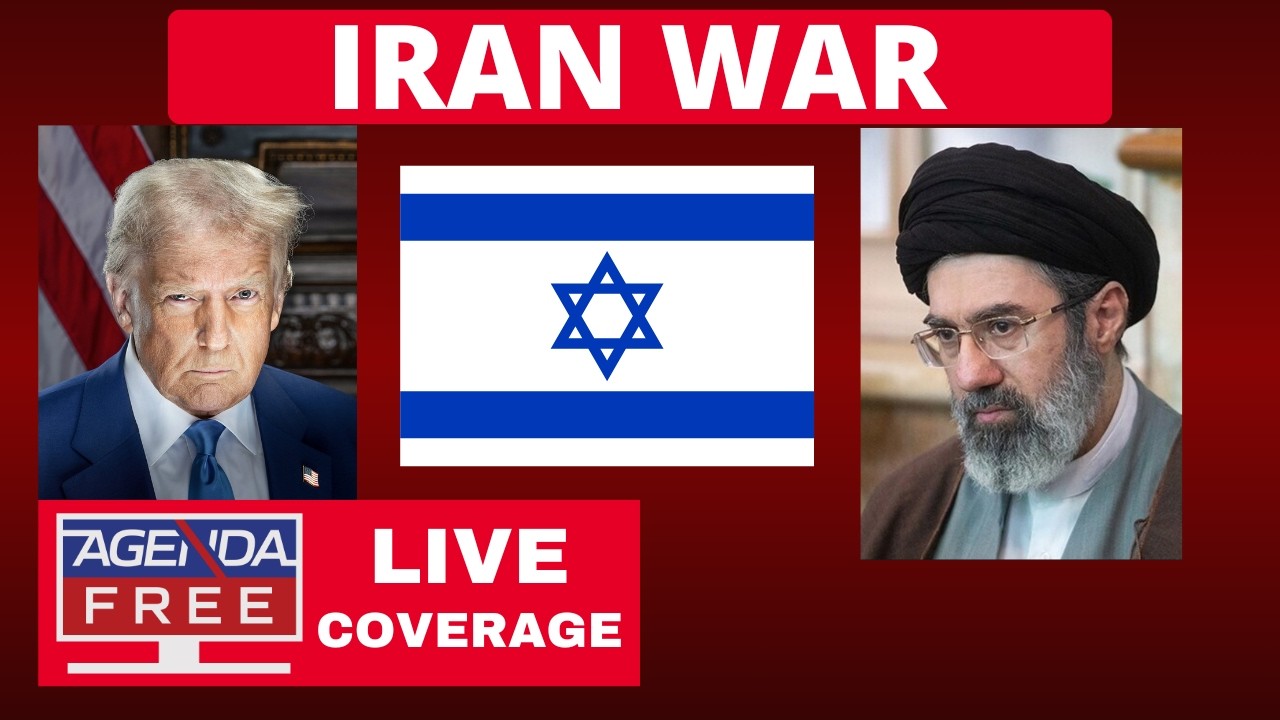
Summary
The **IRGC** has announced that the **Strait of Hormuz** will remain closed until the **US** lifts its blockade on Iran. This move comes amid ongoing tensions between the **US** and **Iran**, with **Israel** also involved in the conflict. The **Strait of Hormuz** is a critical waterway for international oil trade, and its closure could have significant implications for the global economy. [[iran|Iran]] has been facing economic sanctions and diplomatic pressure from the **US** and its allies, leading to a deterioration in relations. The situation is being closely watched by other countries in the region, including **Saudi Arabia** and **Turkey**. [[middle-east|Middle East]] experts warn that the conflict could escalate into a full-scale war, with devastating consequences for the region. The **US** has been trying to negotiate with **Iran**, but so far, no agreement has been reached. [[us-iran-relations|US-Iran relations]] have been strained for decades, and the current situation is one of the most critical in recent history.
Key Takeaways
- The IRGC has announced that the Strait of Hormuz will remain closed until the US lifts its blockade on Iran
- The closure of the Strait of Hormuz could have significant implications for the global economy
- The conflict between the US, Iran, and Israel could escalate into a full-scale war
- The international community should urge all parties to engage in diplomatic efforts to resolve the crisis
- The situation in the Middle East is complex and multifaceted, and the closure of the Strait of Hormuz is just one aspect of the ongoing tensions
Balanced Perspective
The situation in the **Middle East** is complex, with multiple parties involved and different interests at play. The closure of the **Strait of Hormuz** is a significant development, but its impact will depend on how other countries respond. [[middle-east-geopolitics|Middle East geopolitics]] are notoriously unpredictable, and it is difficult to predict the outcome of this situation. The **US**, **Iran**, and **Israel** all have different goals and motivations, and the situation could escalate or de-escalate depending on their actions. [[international-relations|International relations]] are being put to the test, and the global community is watching the situation closely.
Optimistic View
The closure of the **Strait of Hormuz** could be a negotiating tactic by **Iran** to get the **US** to lift its blockade. If successful, this could lead to a significant improvement in **US-Iran relations** and a reduction in tensions in the **Middle East**. [[us-iran-talks|US-Iran talks]] have been ongoing, and a breakthrough could have positive implications for the region. The **IRGC**'s move could also be seen as a demonstration of **Iran**'s resolve to defend its interests, which could lead to increased respect from other countries in the region. [[iranian-military|Iranian military]] capabilities have been improving in recent years, and this move could be a show of strength.
Critical View
The closure of the **Strait of Hormuz** could lead to a catastrophic war in the **Middle East**, with devastating consequences for the region and the global economy. The **US**, **Iran**, and **Israel** are all taking a hardline stance, and the situation could escalate quickly. [[war-in-the-middle-east|War in the Middle East]] would have far-reaching consequences, including the displacement of people, the destruction of infrastructure, and the loss of life. The **global economy** could also be severely impacted, with **oil prices** skyrocketing and trade disrupted. [[global-recession|Global recession]] is a possible outcome, and the situation is being closely watched by economists and policymakers around the world.
Source
Originally reported by Al Jazeera